

Critical Engineering Factors for UAV and UGV Platforms
- Home |
- Critical Engineering Factors for UAV and UGV Platforms
Critical Engineering Factors for UAV and UGV Platforms
Unmanned systems fail not for what they lack.
Unmanned systems fail for what they cannot resolve.
Each UAV and UGV platform is a series of engineering trade-offs—each impacting platform stability, endurance, control, and reliability. It is essential to understand these trade-offs to distinguish between deployable and developmental unmanned platforms.

Power: The First Engineering Trade-Off

In both UAV and UGV platforms, power is not a subsystem—it is the constraint around which all other subsystems are designed.
Critical engineering factors include:
- Power generation and storage capability
- Propulsion, control, and payload distribution of loads
- Efficiency in varying operating conditions
- At Rorak Technologies, power design is considered a system-level engineering trade-off, ensuring that propulsion, control, and payload systems do not compete for stability and endurance.
Control Stability Over Performance
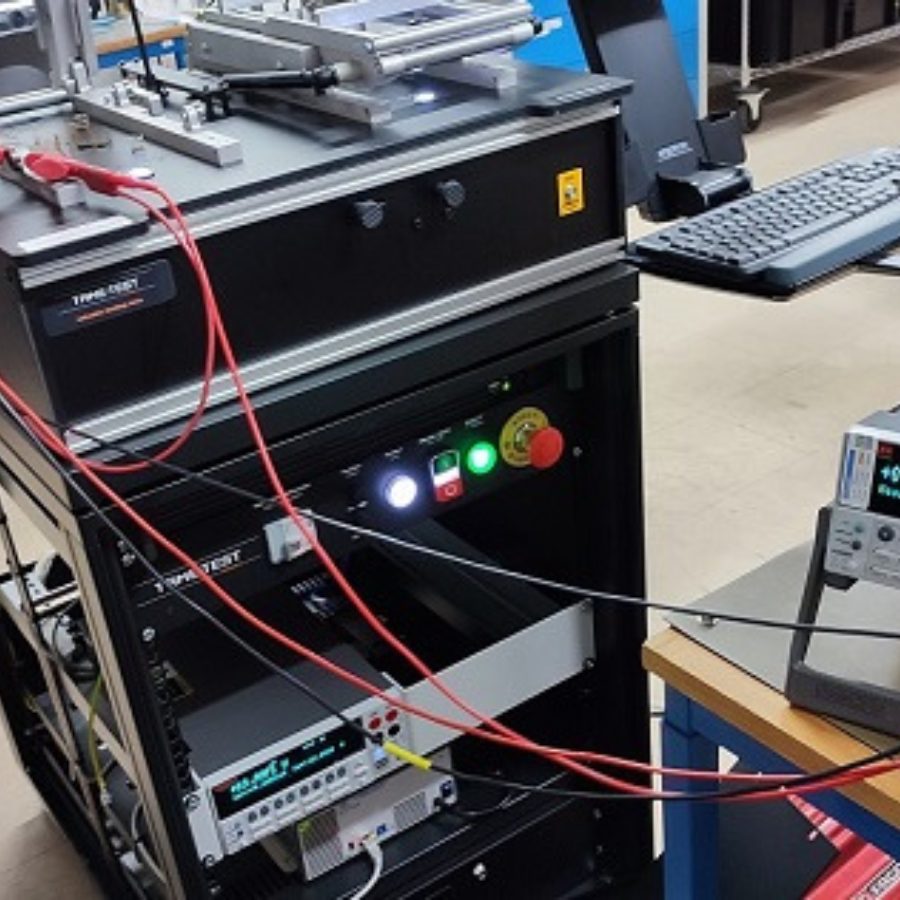
Increased speed, range, and payload capacity may require compromises in control stability.
Engineering teams are faced with the challenge of balancing:
- Responsiveness versus predictability
- Autonomy versus operator control
- Performance versus system robustness
- In UAV and UGV platforms designed for real-world applications, control stability in varying operating conditions is more important than peak performance.
Environmental Exposure Is Not an Edge Case
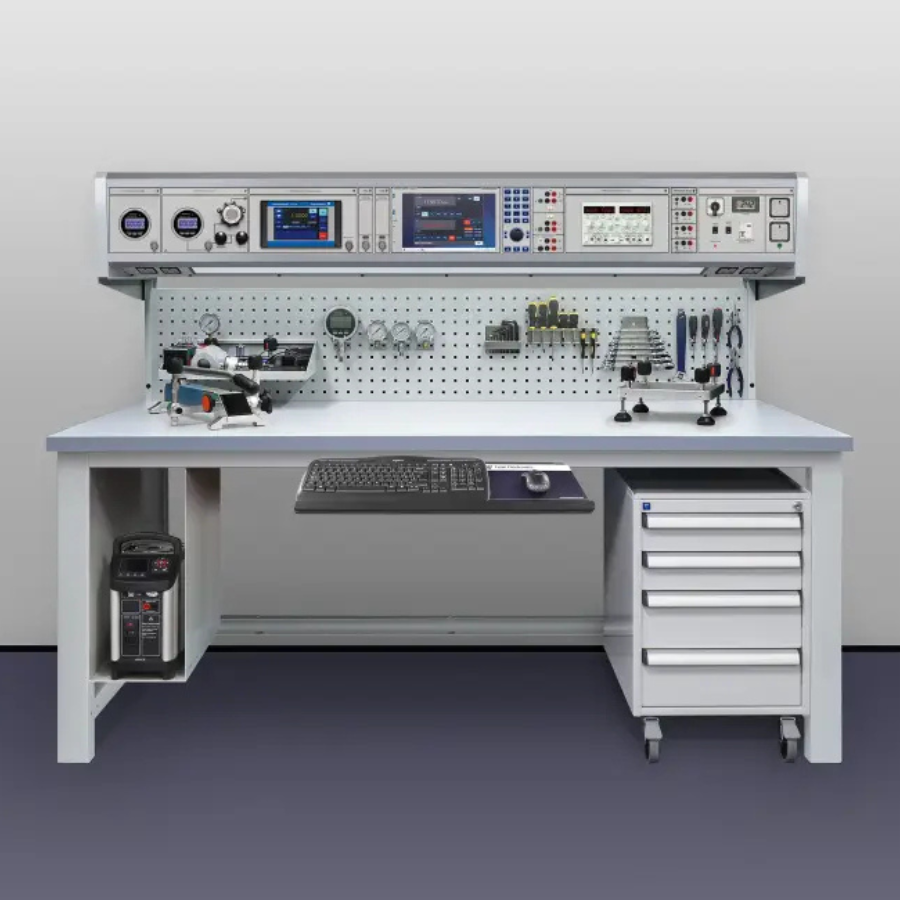
UAVs and UGVs are deployed in environments that are never fully controlled:
- Variations in temperature
- Dust, moisture, and vibration
- Electrical noise and mechanical shock
- Engineering must think about system behavior not only in controlled conditions but also over time and under stress.
- At Rorak Technologies, environmental robustness is designed into the electronics, enclosures, and verification—not treated as an after thought.
Integration Determines System Behavior
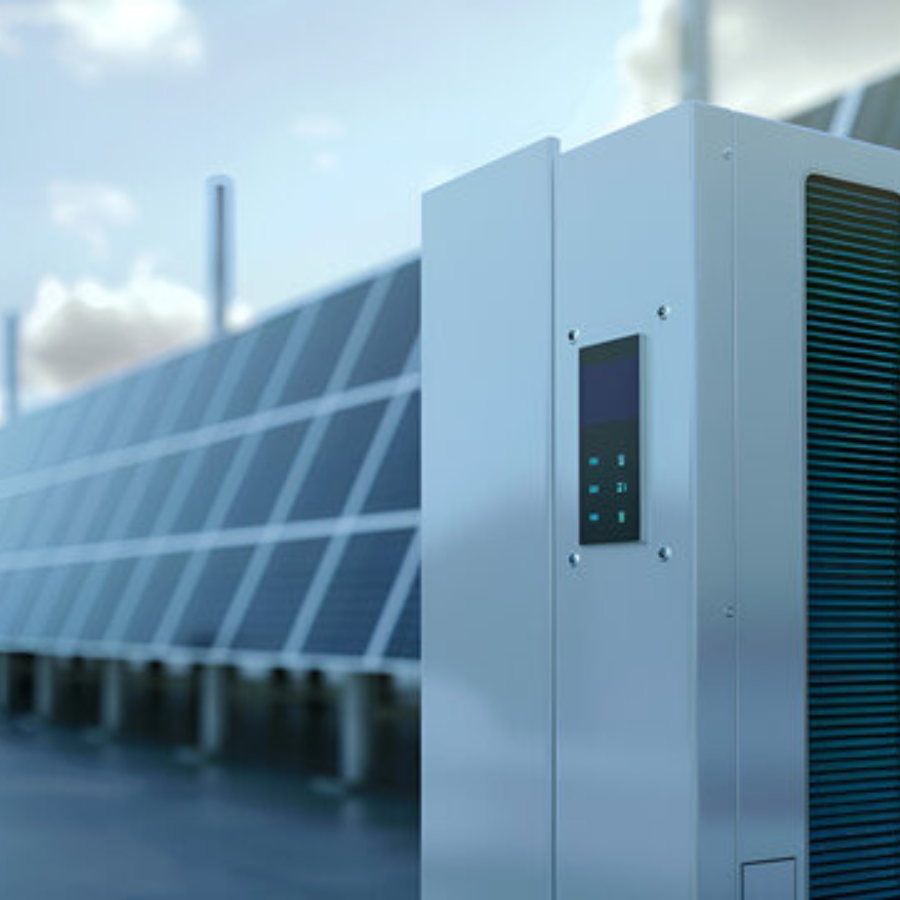
Unmanned platforms are not single systems—they are integrations of propulsion, electronics, sensors, communication, and software.
The most important areas are:
- Electromagnetic compatibility (EMI/EMC)
- Mechanical-electronic interface stability
- Data latency and signal integrity
- Unintegrated systems will behave erratically even if all subsystems are functioning properly.
Modularity vs. Reliability
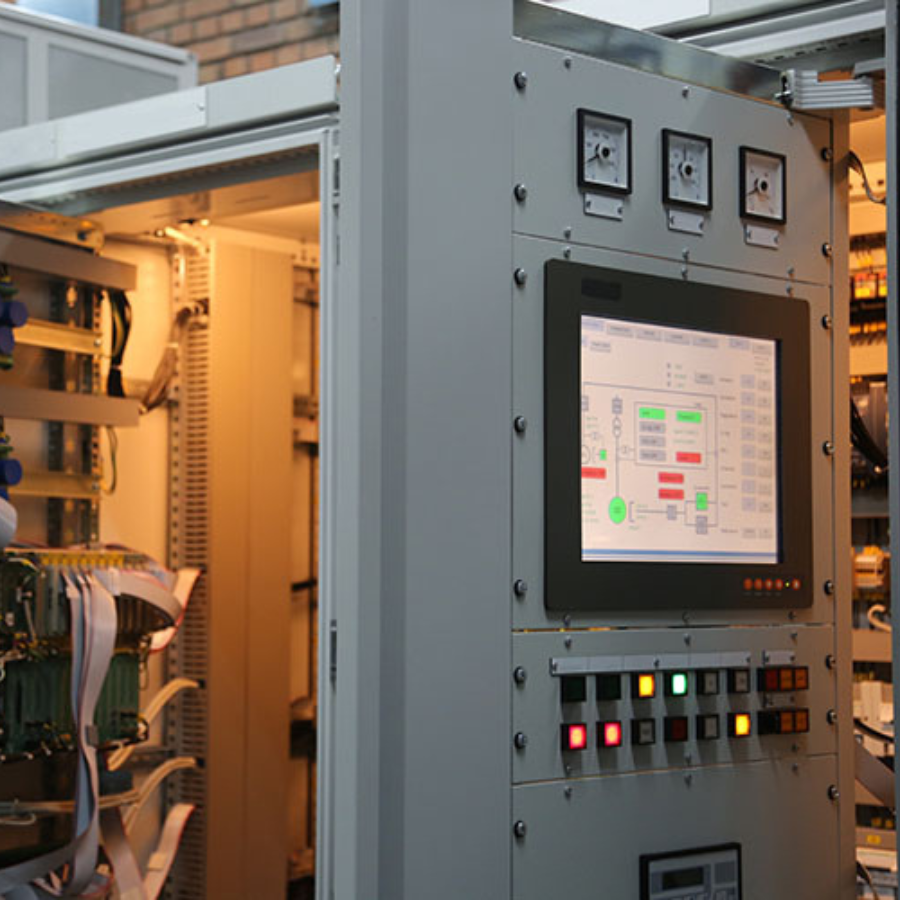
Modularity is beneficial for flexibility, but it also adds interfaces—each of which is a point of failure.
Engineering teams must consider:
- Which subsystems to make modular
- Which must be fixed to ensure stability
- How to validate and protect interfaces
- At Rorak Technologies, modularity is done judiciously to ensure flexibility without sacrificing reliability.
Validation Is a System Activity, Not a Checklist
Component testing is required—but it's not enough.
Validating UAV and UGV systems effectively means:
- System-level testing, under realistic conditions
- Endurance and stress validation
- Power, control, and communication are tested as a system
- This system-level approach to validation is the foundation of how Rorak Technologies builds unmanned platforms for repeatable performance.
Manufacturing Readiness Is an Engineering Concern

An unmanned platform that can't be built the same way twice is not ready for use.
Engineering must consider:
- Production repeatability
- Assembly tolerances
- Testability on a production scale
- Unmanned platforms that don't consider manufacturing limitations tend to work great the first time and fail the rest of the time.
Why These Considerations Matter More Than Features
Feature-packed platforms get noticed.
Engineered platforms build trust.
In defense, industry, and surveillance, reliability, control, and predictability are far more valuable than specification metrics.
This is why Rorak Technologies emphasizes engineering disciplines, integrated manufacturing, and system-level validation in UAV and UGV development.

Unmanned platforms succeed when engineering trade-offs are made with discipline, foresight, and a systems perspective.
The most important engineering trade-offs are often "behind the scenes" trade-offs—but they determine whether an unmanned platform will work as expected in the real world.